Skip to content
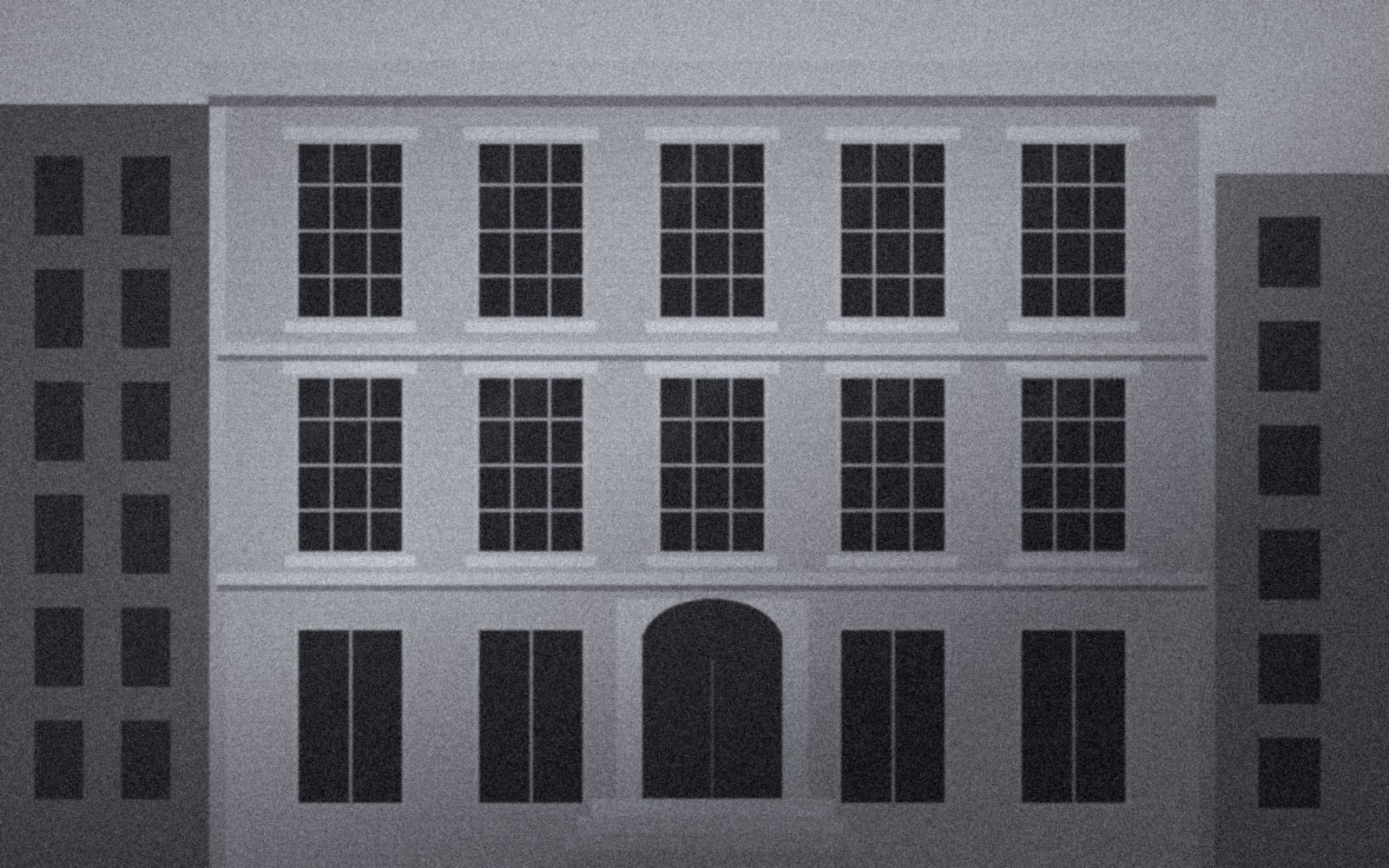
Grainy black-and-white film frame of a townhouse facade with tall windows in soft morning light

Reading homes and buildings one frame at a time

Film photographs of architecture and interiors, set beside the histories of the properties they show — slow looking, patient light, honest grain.

How the archive grew

From a single roll shot on a quiet street to a shared record of spaces seen through a film photographer’s eye.

  1. 2012

    IThe first roll

    A borrowed rangefinder, thirty-six frames and a row of old terraced houses. The prints were imperfect, but the walls looked lived in.

  2. 2015

    IINotebooks beside the negatives

    Every contact sheet gained a page of notes: address, hour, weather, the direction of the light and what the rooms smelled like.

  3. 2018

    IIIStepping inside

    The work moved from facades to interiors — staircases, kitchens, window seats — where daylight does its quietest work.

  4. 2021

    IVHistories of properties

    Shoots began to travel with research: who built a house, who altered it, and which traces of earlier owners the camera could still find.

  5. 2024

    VAn open archive

    The record opened to other analog photographers and design readers — a place to compare frames, methods and the stories behind buildings.

Recent stories

New essays, photo series and property histories from the Journal.

All stories
/ Interiors & Stillness

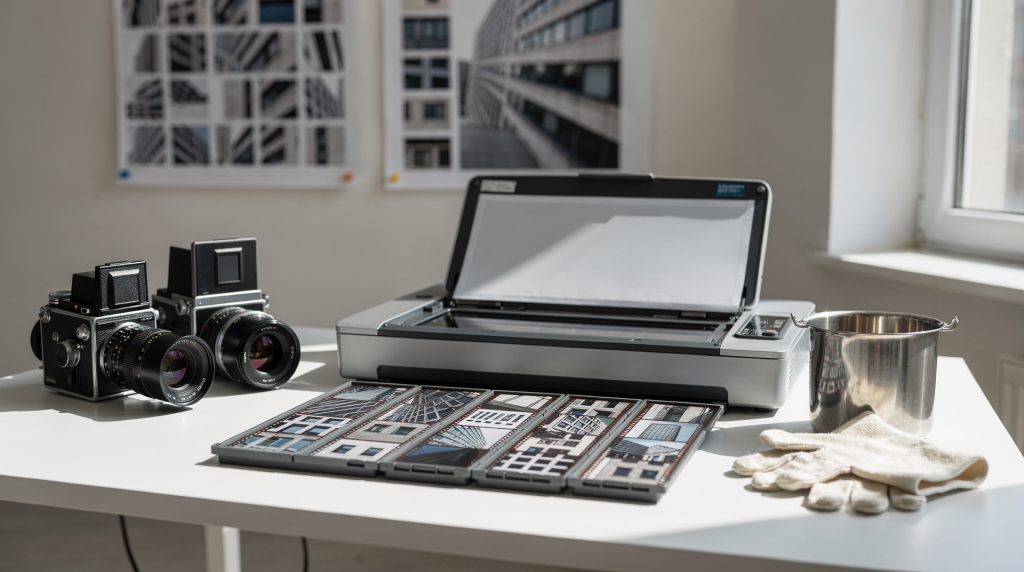
Photographing Empty Spaces and Quiet Moments

Empty rooms are rarely empty on film. They hold light, texture, memory, and the small visual cues that make a space feel inhabited even when no one is there. In architectural and interior film photography, the goal isn’t to fill the frame—it’s to let stillness do the work. This guide is about photographing quiet interiors […]

Read the story
/ Visual Culture

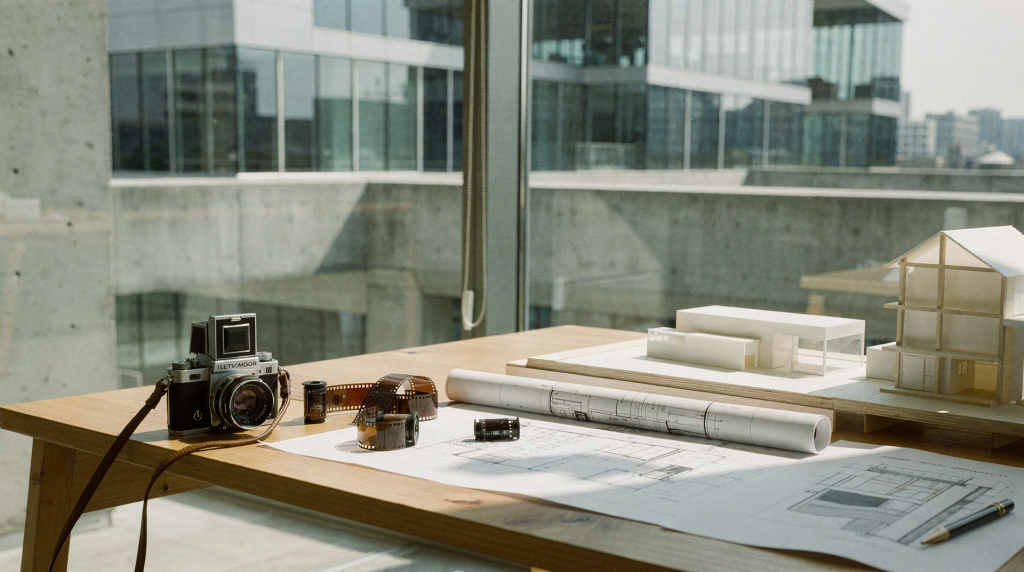
What Film Teaches Me About Patience

Film photography has a way of slowing everything down without asking permission. You load a roll, advance the lever, and suddenly you’re operating on the medium’s schedule, not yours. In architectural work, that enforced slowness isn’t a limitation — it’s often the very thing that lets a space reveal its real character. The worn floorboards catch […]

Read the story
/ Darkroom & Process

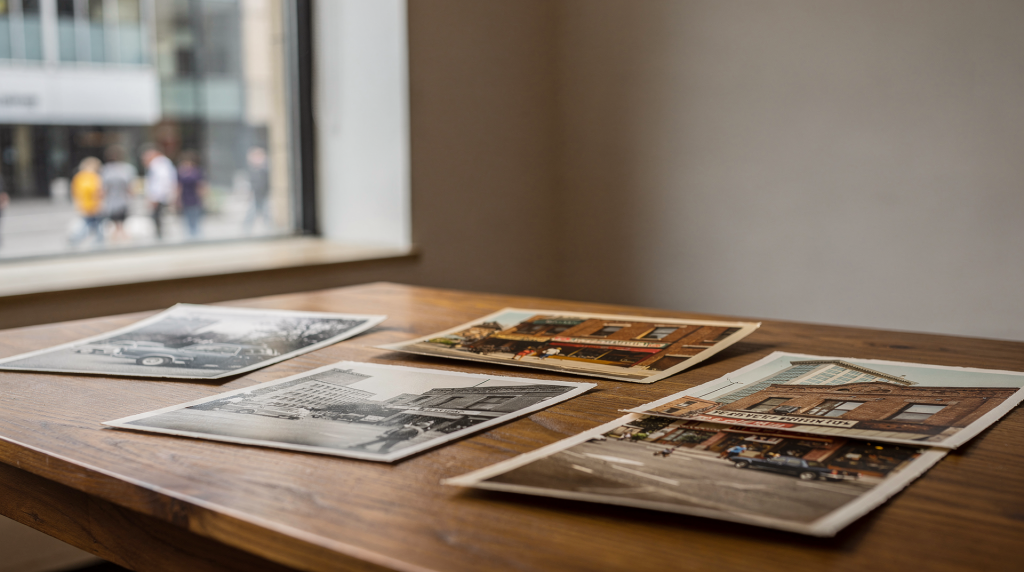
The Film Stocks I Use Most Often

When I’m photographing interiors and buildings on film, the stock matters as much as the lens. The right emulsion can protect highlights, keep mixed light believable, and preserve the textures that make a space feel lived-in rather than merely documented. A digital sensor might record every detail with clinical precision, but film translates — it gives […]

Read the story

“Film doesn’t hurry a building. It waits with it until the light explains who once lived there.”

Emily Krouse

Explore the archive

Six ways into the collection — choose the thread that matches how you look at buildings.